A written brief names the clubs worth approaching, what a deal should cost, and what the partnership should look like in that market. Introductions come after the research, not instead of it.
A brand that has outgrown its home market in Warsaw or Bucharest hits the same wall every time. The fastest way to buy credibility in Western Europe is a partnership with a club whose name already means something there. But that brand doesn't know how a European club's commercial department works, what a fair deal looks like, or who to call.
It runs the other way too. Every PE acquisition of a European club manufactures the same mandate on day one. The club has to grow commercial revenue in markets it has never touched, and the fund cannot execute that itself. It doesn't know how to walk into a boardroom in Warsaw or Casablanca and close a deal with a local brand.
Poland, Czechia, Romania, Hungary and Croatia hold eighty million people between them, and Western European football is watched there every week of the season. No trusted intermediary knows both that world and the inside of a European club's commercial department.
We map who the right partner is and why the partnership would matter in that market. Research specific enough to take into a board meeting: named companies, what the deal should cost, and who to call. Where a client wants to go further, we can make the introduction and see the deal through to signature.
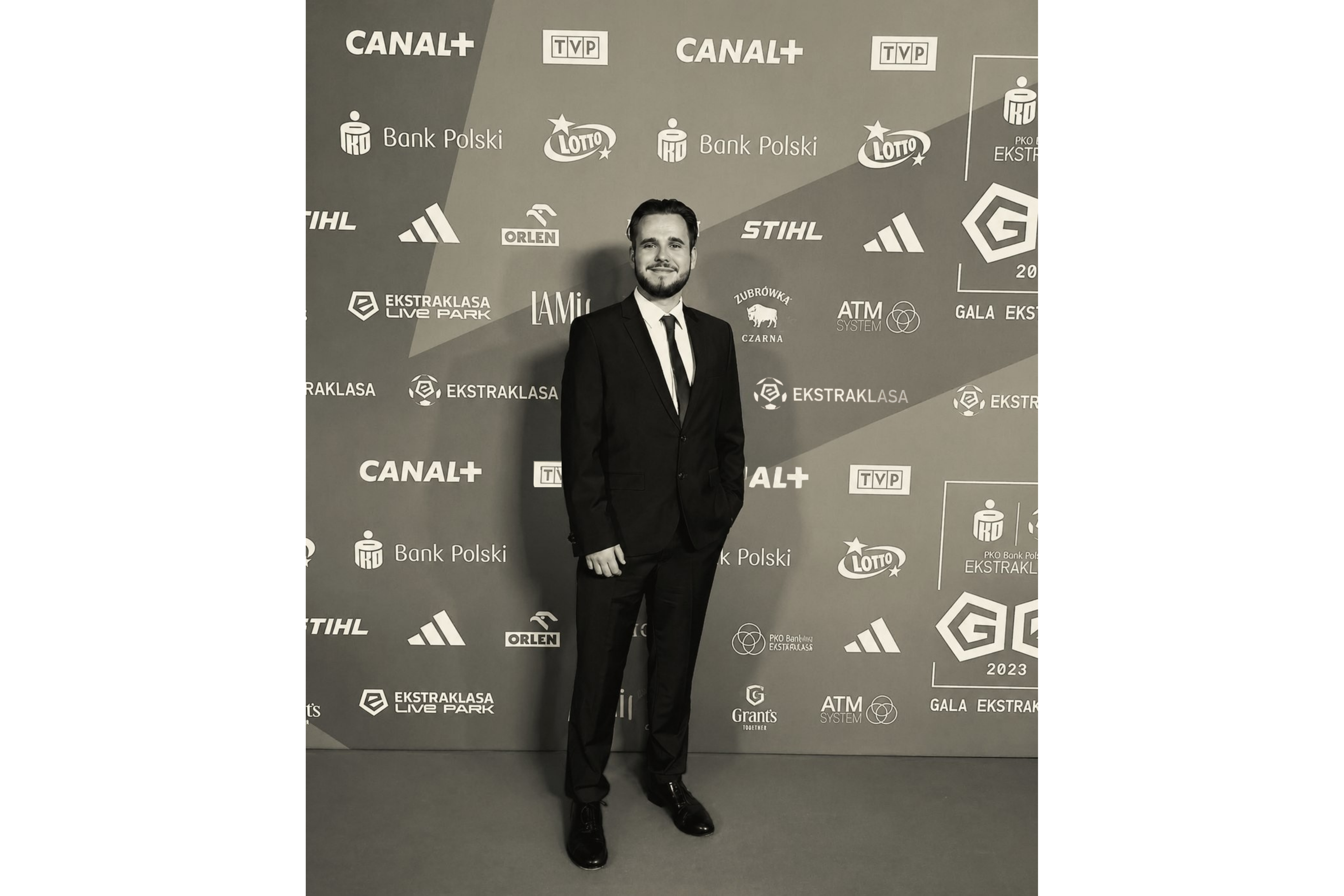
Born and raised in Brussels. Six years in football, four of them inside adidas and Unisport managing sport partnerships across Central and Eastern Europe.
The same scene kept repeating: a major European club with a Polish international and millions of Polish fans, and no commercial presence in Poland. Across the table, Polish banks and retailers with budget and appetite, thinking about how to get into European football.
Nobody connected them. The global agencies cover the region from London. The local agencies have rarely sat inside a club's commercial department. I’ve done both, in both languages. I wrote my MSc thesis on fashion’s influence on football, which is why the cultural side of a partnership is part of what I sell.
MOST is the Polish word for bridge.
Every engagement starts with a written deliverable. Representation comes after the research.
Fixed fee. Two to four weeks. One market, one subject. A written document, delivered whether or not anything comes of it. Briefs spanning several markets are quoted separately.
"Most sponsorships are sold once the shirt already has a shape. This maps the opportunity before that shape exists."
Once a brief exists, MOST can introduce the two sides and step back for a flat referral fee, or represent one side from approach through signature for a fixed fee plus a success fee on close. Either way the scope is written down first: a defined number of targets and a defined time window.
One line on what the brief found. The full document, unedited, exactly as a client receives it.
MOST operates across the European market as a whole, wherever a brief calls for it. Two markets are primary. Central & Eastern Europe, where the founder has on-the-ground commercial experience, native language capability, and an existing network inside clubs, brands and agencies. Francophone Europe and North Africa, grounded in a Brussels upbringing, native French and Belgian citizenship.
MOST covers the markets it knows from the inside, and declines the ones it does not.
Orlen's deal lapsed, Biedronka left after sixteen years, and the Polish federation published a list of what it had lost. Lidl replaced one of them.
Polish media read the XTB deal at Porto as a national moment. The man who signed it says the three Polish internationals were a bonus.
Poland bid to host Women's EURO 2029 and did not receive a single vote.